
The MSO/DS9000 series digital oscilloscope is designed to meet mainstream application needs in design, debugging, and testing. Adopting RIGOL’s brand-new self-developed module, the oscilloscope achieves a fast waveform capture rate of 1,000,000 wfms/s in the fast recording mode, 2 Gpts memory depth, 8 to 16-bit vertical resolution, all combined with an excellent noise floor performance and vertical accuracy to meet your requirements for more accurate measurements, delivering an exceptional test and measurement experience.
-
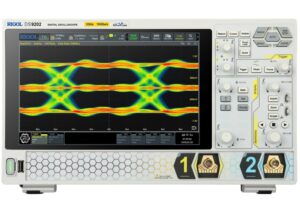
Rigol DS9202 2 Channel, 2 GHz, 10 GSa/s Digital Oscilloscope
£6,086.00 (£7,303.20 inc. VAT)Available on back-order, delivery normally 1 - 2 weeks
Availability: Stock models delivered next working day (UK only) for orders placed before 16:30 (Mon - Fri)
Add to basket
-
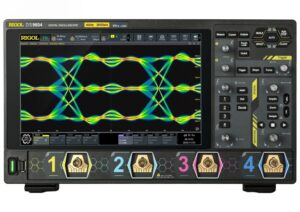
Rigol DS9204 4 Channel, 2.5 GHz, 20 GSa/s Digital Oscilloscope
£8,347.00 (£10,016.40 inc. VAT)Only 1 left in stock!
Availability: Stock models delivered next working day (UK only) for orders placed before 16:30 (Mon - Fri)
Add to basket
-
Rigol DS9404 4 Channel, 4 GHz, 20 GSa/s Digital Oscilloscope
£10,695.00 (£12,834.00 inc. VAT)Only 1 left in stock!
Availability: Stock models delivered next working day (UK only) for orders placed before 16:30 (Mon - Fri)
Add to basket
-
Rigol DS9604 4 Channel, 6 GHz, 20 GSa/s Digital Oscilloscope
£13,043.00 (£15,651.60 inc. VAT)Available on back-order, delivery normally 1 - 2 weeks
Availability: Stock models delivered next working day (UK only) for orders placed before 16:30 (Mon - Fri)
Add to basket
-
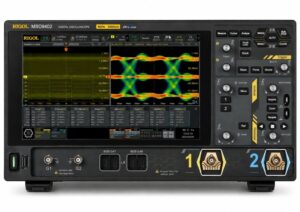
Rigol MSO9402 2 Channel + 16 Digital, 4 GHz, 20 GSa/s Digital Oscilloscope
£8,347.00 (£10,016.40 inc. VAT)Available on back-order, delivery normally 1 - 2 weeks
Availability: Stock models delivered next working day (UK only) for orders placed before 16:30 (Mon - Fri)
Add to basket
Key Features and Performance
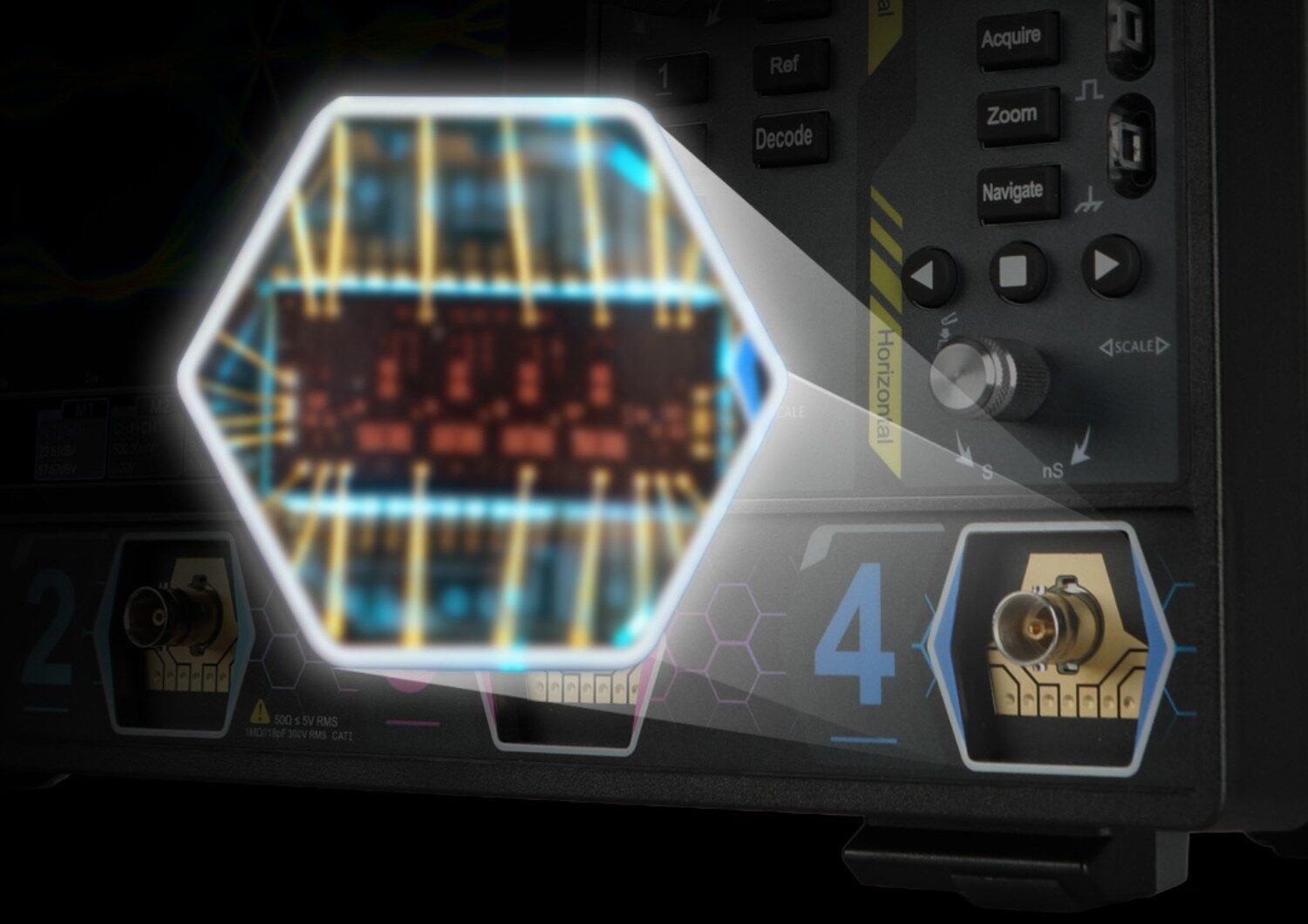
More Reliable Range Switching
By replacing traditional mechanical attenuators with a Solid Electronic Attenuator, the DS/MSO9000 Series delivers improved lifetime and reliability in high-frequency, high-duty-cycle range switching applications.
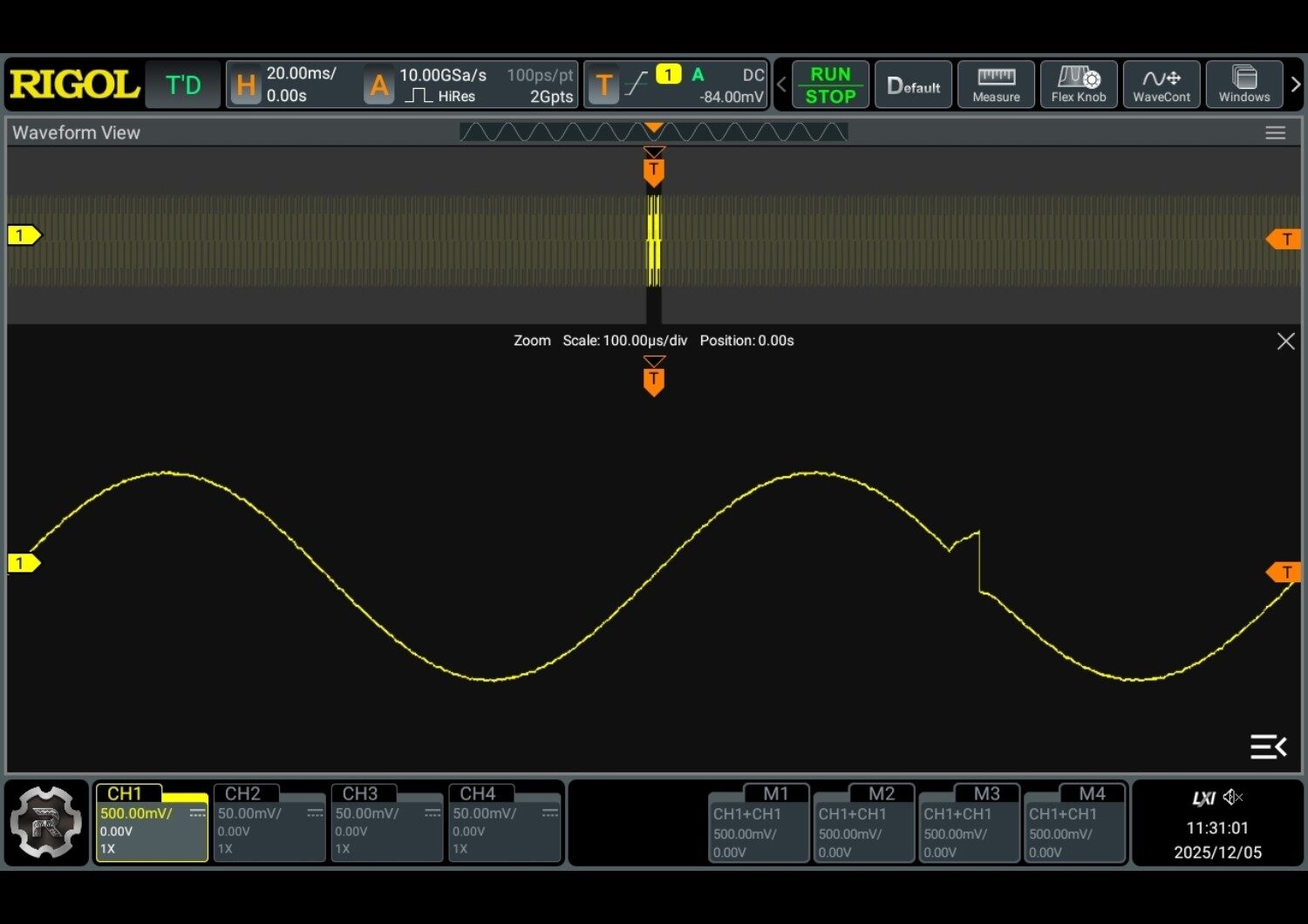
Deep Memory, Zero Misses
With up to 2 Gpts memory depth and a waveform capture rate of up to 1,000,000 wfms/s, the DS/MSO9000 Series helps engineers detect intermittent events faster and improve debugging efficiency.
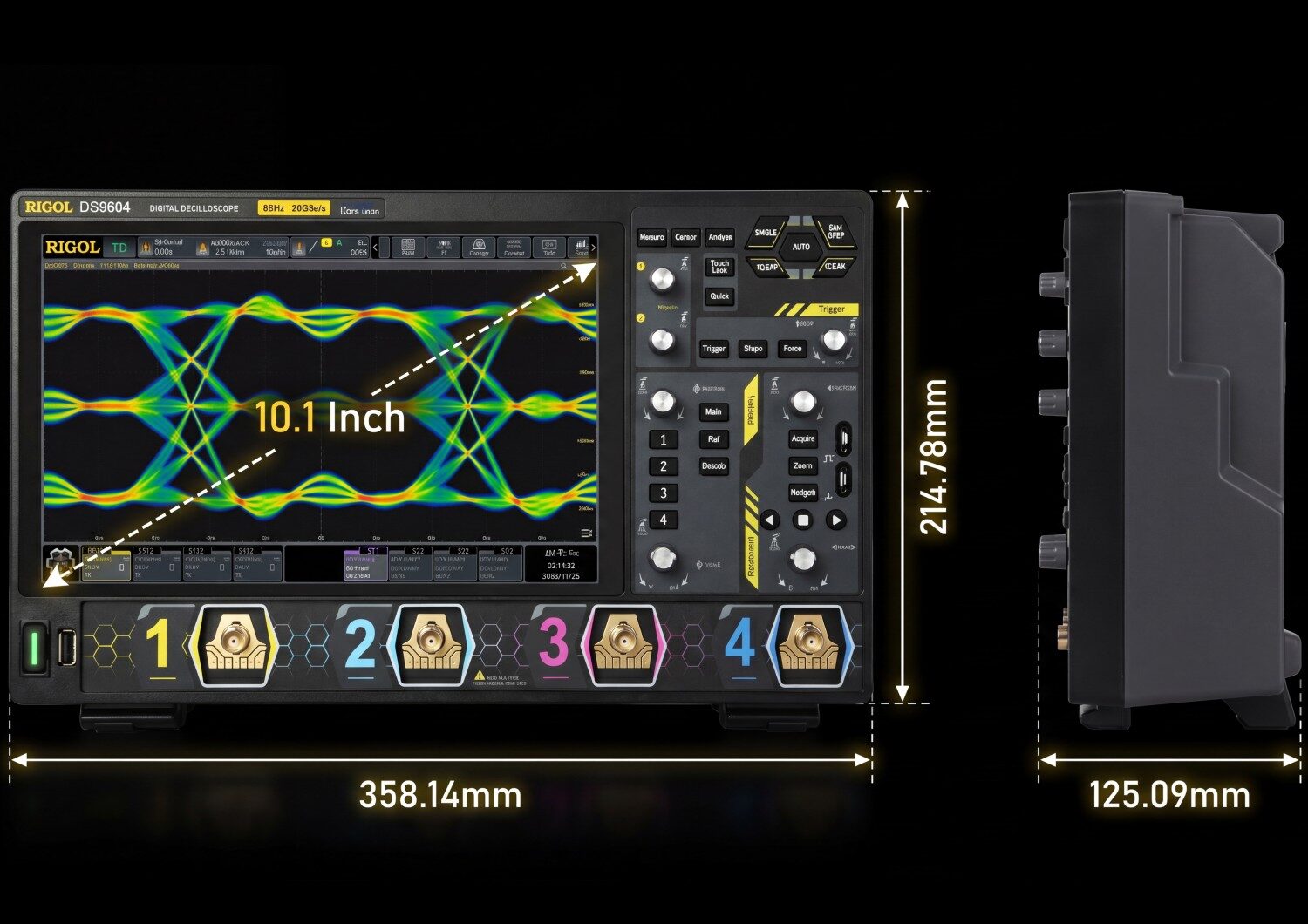
Compact & Portable
Highly integrated and weighing only ~5kg, the DS9000 Series is suitable for both efficient lab testing and portable field deployment.
Product Specifications Table
| Model | DS9202 | DS9204 | DS9404 | DS9604 | MSO9402 |
|---|---|---|---|---|---|
| Analogue Bandwidth (50 Ω, -3 dB) | 2 GHz | 2.5 GHz | 4 GHz | 6 GHz (half-channel[2]) 4 GHz (all-channel[3]) | 4 GHz |
| Analogue Bandwidth (1 MΩ, -3 dB) | 500 MHz | ||||
| Calculated Rise Time under 50 Ω[1] (10%-90%) | ≤210 ps | ≤210 ps | ≤110 ps | ≤73 ps | ≤110 ps |
| Number of Channels | DS9202: 2 analogue channels +1 EXT channel DS9204: 4 analogue channels +1 EXT channel DS9404: 4 analogue channels +1 EXT channel DS9604: 4 analogue channels +1 EXT channel MSO9402: 2 analogue channels +1 EXT channel +16 digital channels +2 function/arbitrary waveform generator output channels | ||||
| Sampling Mode | Real-time sampling | ||||
| Max. Sample Rate of Analogue Channels | 10 GSa/s | half-channel[2]: 20 GSa/s all-channel[3]: 10 GSa/s | |||
| Max. Memory Depth | 10 Mpts (all-channel[3]) | Standard: 500 Mpts (half-channel[2]), 200 Mpts (all-channel[3]) Option: 2 Gpts (half-channel[2]), 1 Gpts (all-channel[3]) | |||
| Max. Waveform Capture Rate | 1,000,000 wfms/s (in fast recording mode) | ||||
| Vertical Resolution | 8 bits (9-16 bits in high-resolution mode) | ||||
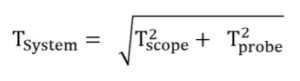 2: CH1 and CH2 are considered as a group; CH3 and CH4 are considered as another group. If one of the two channels in each group is enabled, it is called half-channel mode. 3: CH1 and CH2 are considered as a group; CH3 and CH4 are considered as another group. If two channels in either group are enabled, this is called all-channel mode.
 Leave a Comment
How to Shop:
- Online: Browse our collection directly on our website. https://telonic.co.uk/
- Contact Us: For more information, reach out to our sales team at https://telonic.co.uk/contact/